Faceless YouTube Channel Automation Masterclass: How to Build, Script, Produce, and Monetize AI-Powered Channels from Zero
Faceless YouTube Channel Automation Masterclass: How to Build, Script, Produce, and Monetize AI-Powered Channels from Zero
An authoritative, step-by-step blueprint for discovering profitable YouTube niches, scripting engaging long-form video content with AI, creating professional voiceovers, assembling stock visuals, and scaling recurring AdSense and sponsorship revenue without showing your face.
Table of Contents
- Understanding the Business Architecture of Faceless YouTube Automation
- High-CPM Niche Selection: Identifying High-Value Advertiser Audiences
- AI-Assisted Scriptwriting: Crafting High-Retention Storytelling Hooks
- Hyper-Realistic AI Voice Generation and Audio Engineering Standards
- Visual Assembly: B-Roll Selection, AI Image Generation, and Editing Workflows
- YouTube SEO Infrastructure: Title Framing, Metadata, and CTR Thumbnails
- Navigating YouTube Monetization Rules and Reused Content Policies
- Scaling to Multi-Channel Networks: Systems, SOPs, and Revenue Diversification
1. Understanding the Business Architecture of Faceless YouTube Automation
YouTube is no longer just a platform for personal vloggers and public personalities. Over the last decade, a massive economy of faceless content channels has emerged. These channels focus on topic-driven, educational, historical, financial, or entertainment content where the value lies in the narration, storytelling, visual presentation, and information quality rather than the creator's physical presence.
By leveraging artificial intelligence tools as collaborative partners, creators can eliminate traditional bottlenecks in video production. AI assists in research, narrative scripting, high-definition voice generation, visual generation, and media editing. This workflow enables solopreneurs to run media channels that rival traditional video production studios in quality and output volume while maintaining minimal operational overhead.
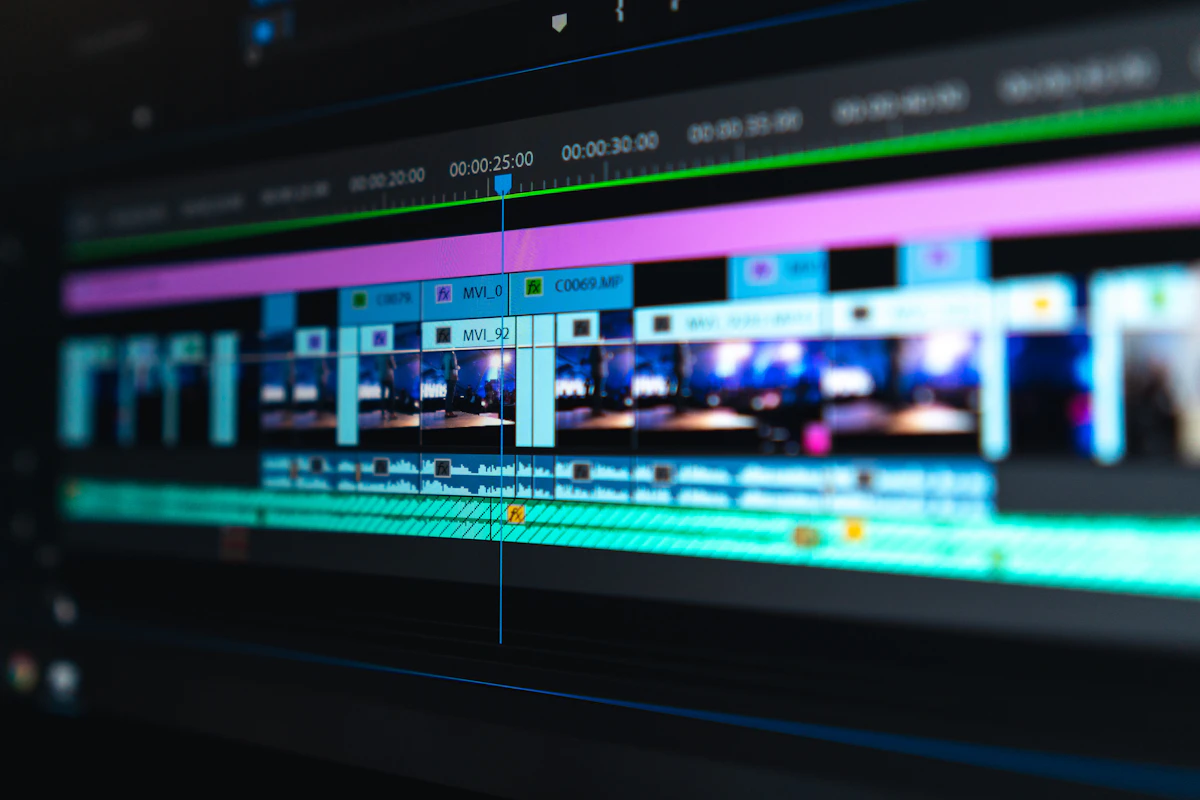 AI-assisted video production allows creators to script, edit, and publish high-quality faceless YouTube videos systematically.
When executed with strict quality control, an AI-powered YouTube channel functions as a digital asset that generates recurring ad revenue, affiliate sales, and brand sponsorships continuously over time.
2. High-CPM Niche Selection: Identifying High-Value Advertiser Audiences
Not all YouTube views pay the same amount. YouTube pays creators through AdSense based on Cost Per Mille (CPM) and Revenue Per Mille (RPM), which represents how much advertisers pay for 1,000 ad impressions. Selecting a high-CPM niche is critical because a channel with 50,000 monthly views in finance can earn significantly more than a channel with 500,000 monthly views in general entertainment.
Top High-CPM Niche Categories for Faceless Channels:
- Personal Finance & Investing: Stock market analysis, real estate strategies, wealth building, and budgeting tools ($15 - $40+ CPM).
- Business & Technology: AI software reviews, SaaS breakdowns, cloud computing, and digital marketing tutorials ($12 - $30+ CPM).
- History & Documentaries: Military strategies, ancient civilizations, world history breakdowns, and archival storytelling ($8 - $18+ CPM).
- Health & Self-Improvement: Neuroscience, productivity frameworks, fitness science, and mental wellness breakdowns ($8 - $16+ CPM).
3. AI-Assisted Scriptwriting: Crafting High-Retention Storytelling Hooks
The success of a YouTube video depends heavily on Audience Retention. YouTube's recommendation algorithm favors videos that keep viewers watching for longer durations. A great script requires a compelling structure:
- The First 15 Seconds (The Hook): State the primary mystery, question, or transformation immediately. Avoid long intros, animated logos, or self-promotions.
- The Re-Hook (At 1-Minute Mark): Introduce a secondary layer of curiosity or conflict to prevent early viewer drop-off.
- Pacing and Information Density: Keep sentence structures punchy. Deliver continuous narrative progress without filler words.
- Open Loops & Payoffs: Tease key insights that will be revealed later in the video to maximize Average Percentage Viewed (APV).
When using AI models for scriptwriting, avoid issuing generic prompts like "Write a video script about history." Instead, provide structured guidelines: specify target word counts (e.g., 1,800 words for a 10-minute video), tone of voice, narrative arc, and explicit instructions to insert visual transition cues.
4. Hyper-Realistic AI Voice Generation and Audio Engineering Standards
Audio quality is more important than video resolution. Viewers will tolerate average video footage, but bad or robotic audio causes instant viewer abandonment. Modern neural AI voice generators produce highly natural, expressive speech with human-like cadence, pauses, and emotional depth.
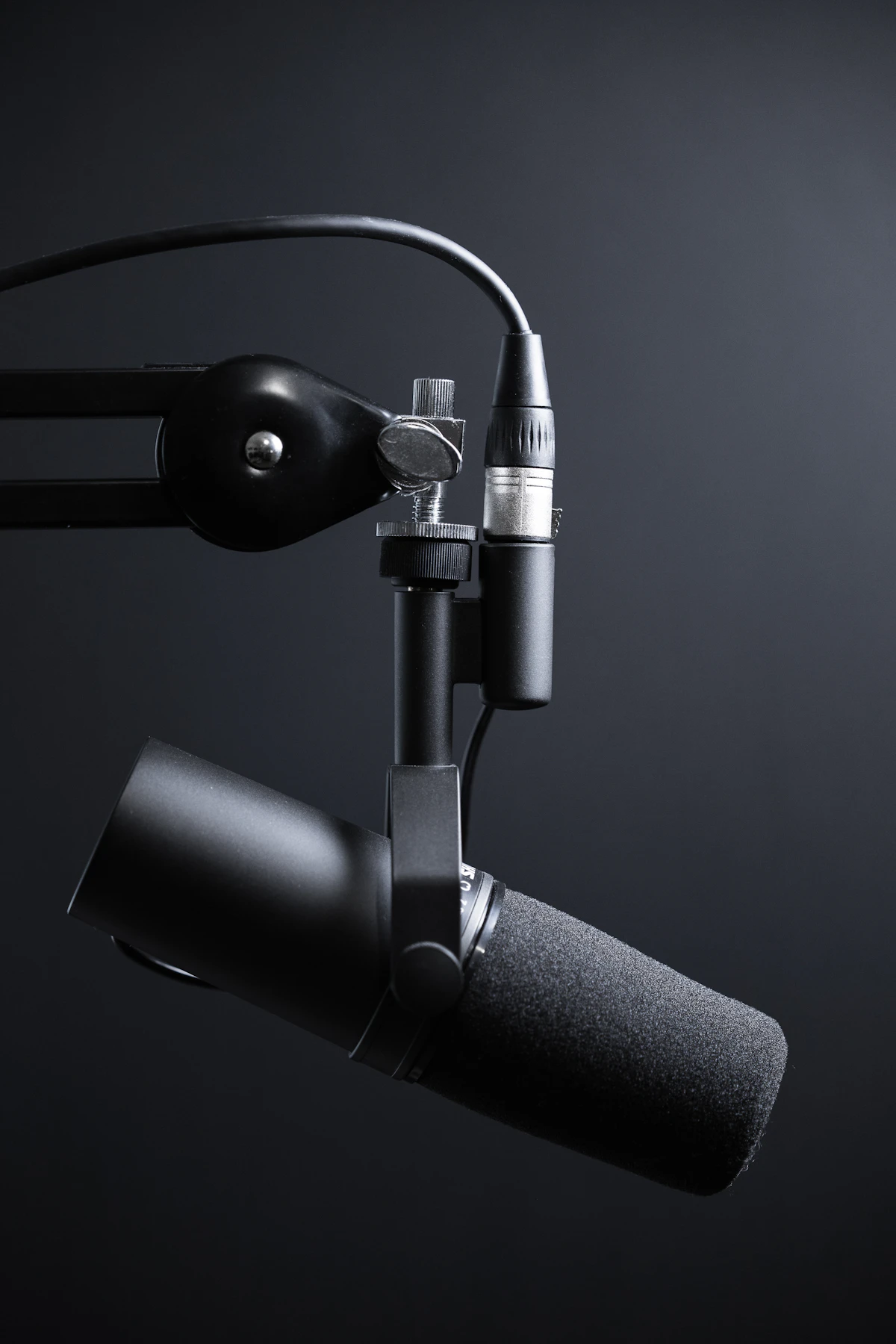 Studio-grade audio engineering combined with natural AI narration creates engaging viewing experiences.
Essential Audio Optimization Steps:
- Pacing Adjustments: Set voice narration speed to a natural, conversational tempo (typically 150 to 160 words per minute).
- Background Music Leveling: Keep background music at -18dB to -22dB beneath the primary vocal narration (-3dB) so voiceover remains crystal clear.
- Sound Effects (SFX): Add subtle risers, swooshes, and pop sound effects during text pop-ups and scene transitions to reinforce visual pacing.
5. Visual Assembly: B-Roll Selection, AI Image Generation, and Editing Workflows
To keep viewers visual engagement high, change the visual scene on screen every 3 to 5 seconds. Combine royalty-free HD stock footage, historical archive images, kinetic typography, and custom AI-generated images to complement the narration precisely.
Use video editing tools like CapCut, Premiere Pro, or DaVinci Resolve to assemble your timeline. Implement smooth pan-and-zoom keyframe animations (the Ken Burns effect) on static images to maintain motion throughout the entire video duration.
6. YouTube SEO Infrastructure: Title Framing, Metadata, and CTR Thumbnails
Your thumbnail and video title determine your Click-Through Rate (CTR). Even the best video will fail if nobody clicks on it. Aim for a target CTR above 6% to 10% during initial launch windows:
- Title Copywriting: Combine high-search intent terms with emotional curiosity triggers. Keep titles under 60 characters so they do not get truncated on mobile screens.
- Thumbnail Design Rules: Use high contrast, simple visual focal points, big bold readable text (3 words maximum), and clear emotional expressions.
- Metadata & Description SEO: Write detailed 250-word video descriptions containing your target search keywords naturally within the first three sentences.
7. Navigating YouTube Monetization Rules and Reused Content Policies
To qualify for the YouTube Partner Program (YPP), channels must meet baseline eligibility requirements (such as 1,000 subscribers and 4,000 valid public watch hours in the last 12 months). Furthermore, YouTube strictly enforces policies against "Reused Content" and low-effort auto-generated content.
To ensure guaranteed monetization approval, every video must demonstrate significant original commentary, creative editing, original script writing, and transformational value rather than relying on unedited compilation clips or static slideshows.
8. Scaling to Multi-Channel Networks: Systems, SOPs, and Revenue Diversification
Once your primary channel achieves stable revenue, document your production process into Standard Operating Procedures (SOPs). You can then hire freelance editors and thumbnail designers, or launch additional channels across different niches to build a multi-channel video media network.
- AdSense Revenue: Earn passive income from contextual video ads.
- Affiliate Marketing Links: Place relevant product links inside video descriptions to earn commissions.
- Sponsorship Deals: Partner with brands for integrated 30-second dedicated mid-roll promotions.
- Digital Product Sales: Direct viewers to your blog (dhiyazan.com) or Gumroad store to purchase downloadable guides.
Comments
Post a Comment
Welcome! Have a question about online profits or sales growth? Leave a comment and we’ll reply soon!